Free Tracked Shipping Canada-Wide on Orders Over $100.

Whey Protein Powder

Home > Products > Whey Protein Powder
Grid ViewList View
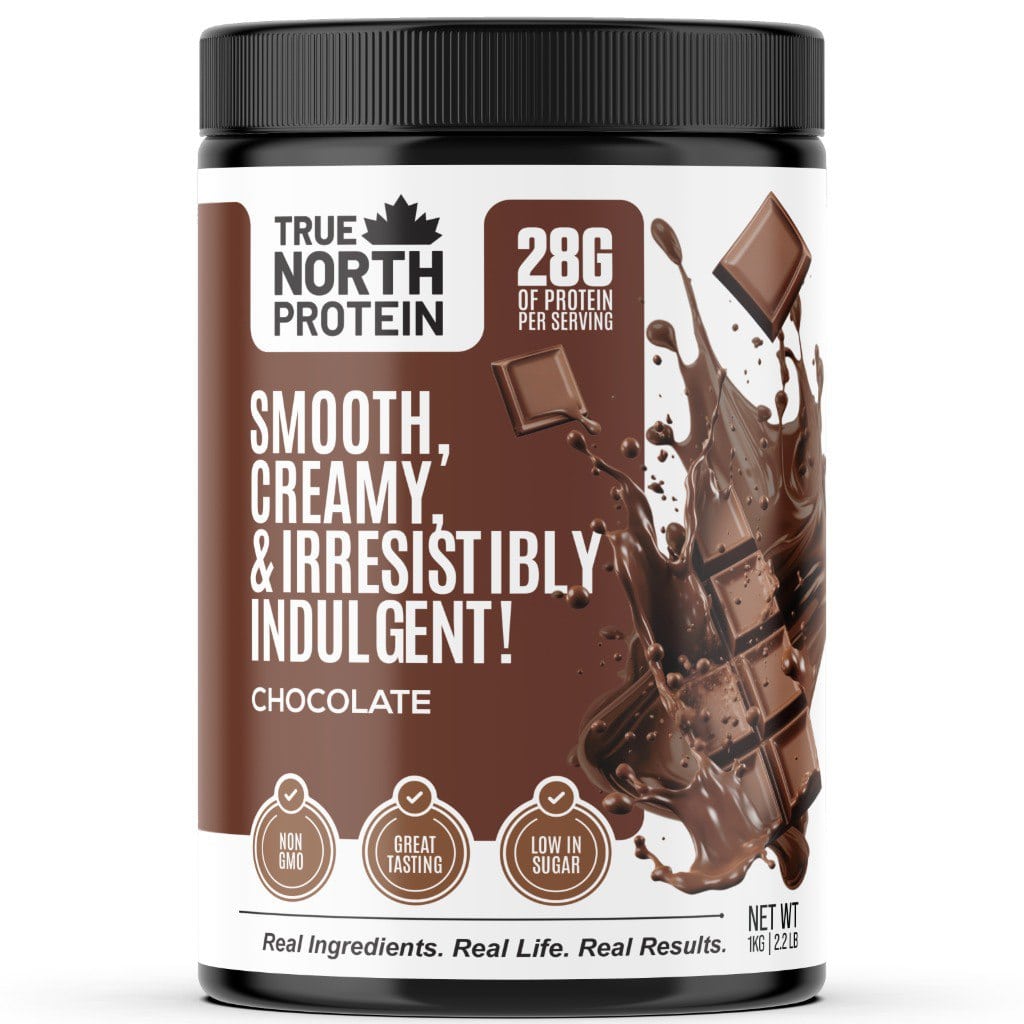
Chocolate Whey Protein Powder
Price range: $39.99 through $307.99
Shop Now
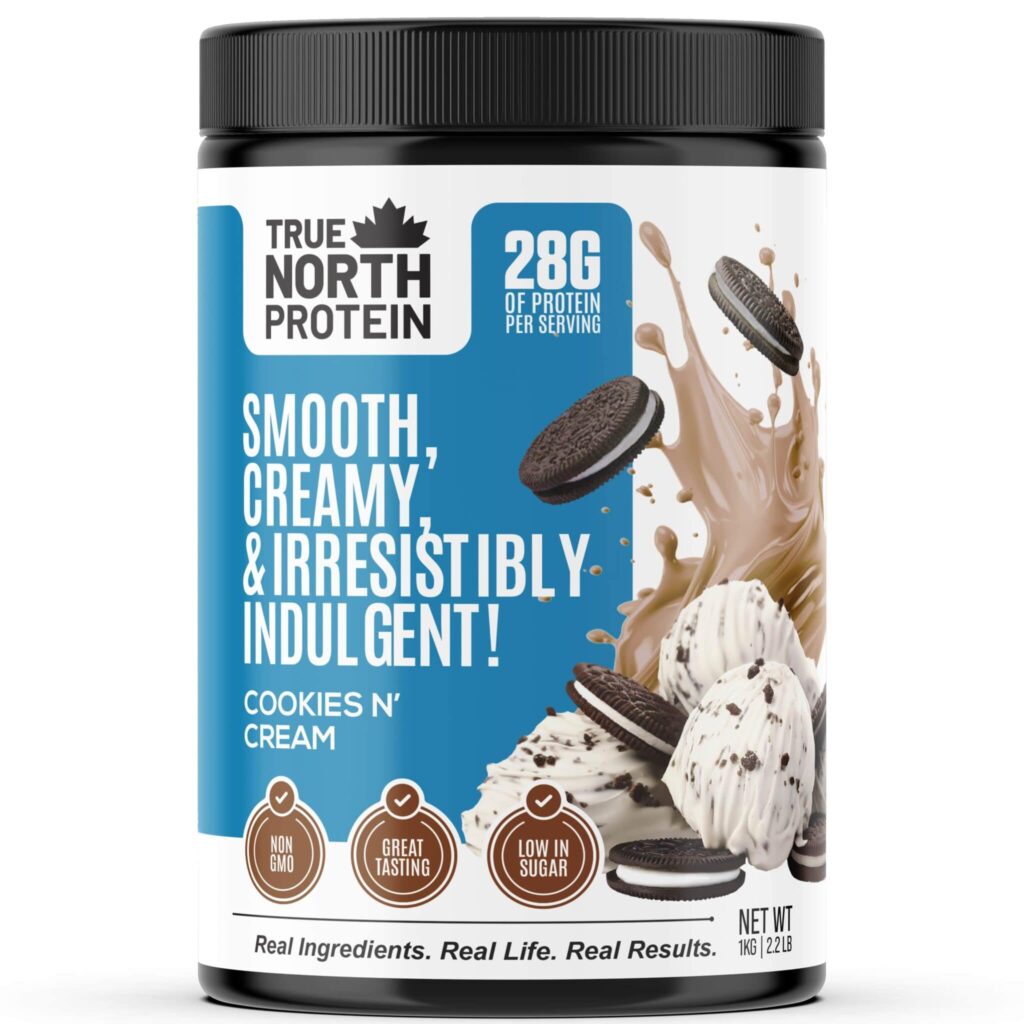
Cookies and Cream Whey Protein Powder
Price range: $39.99 through $307.99
Shop Now
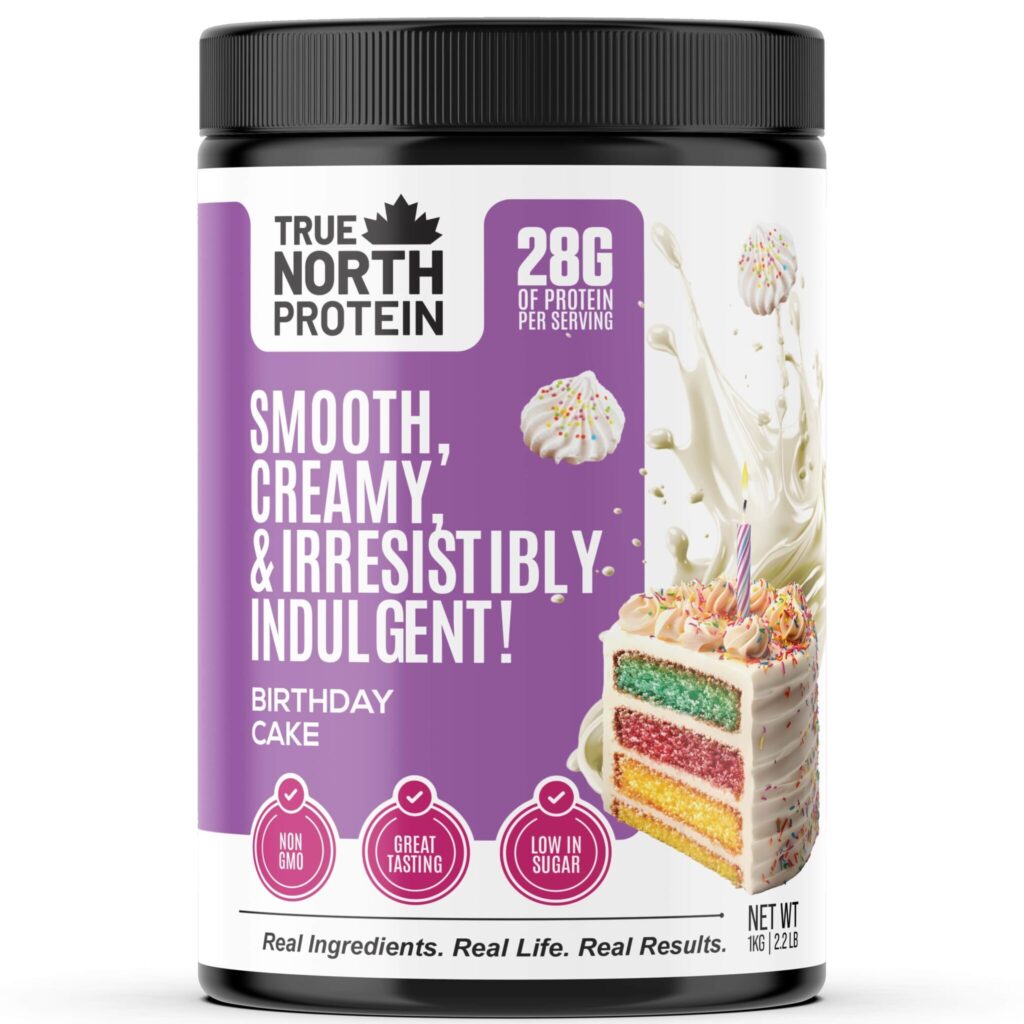
Birthday Cake Whey Protein Powder
Price range: $39.99 through $307.99
Shop Now
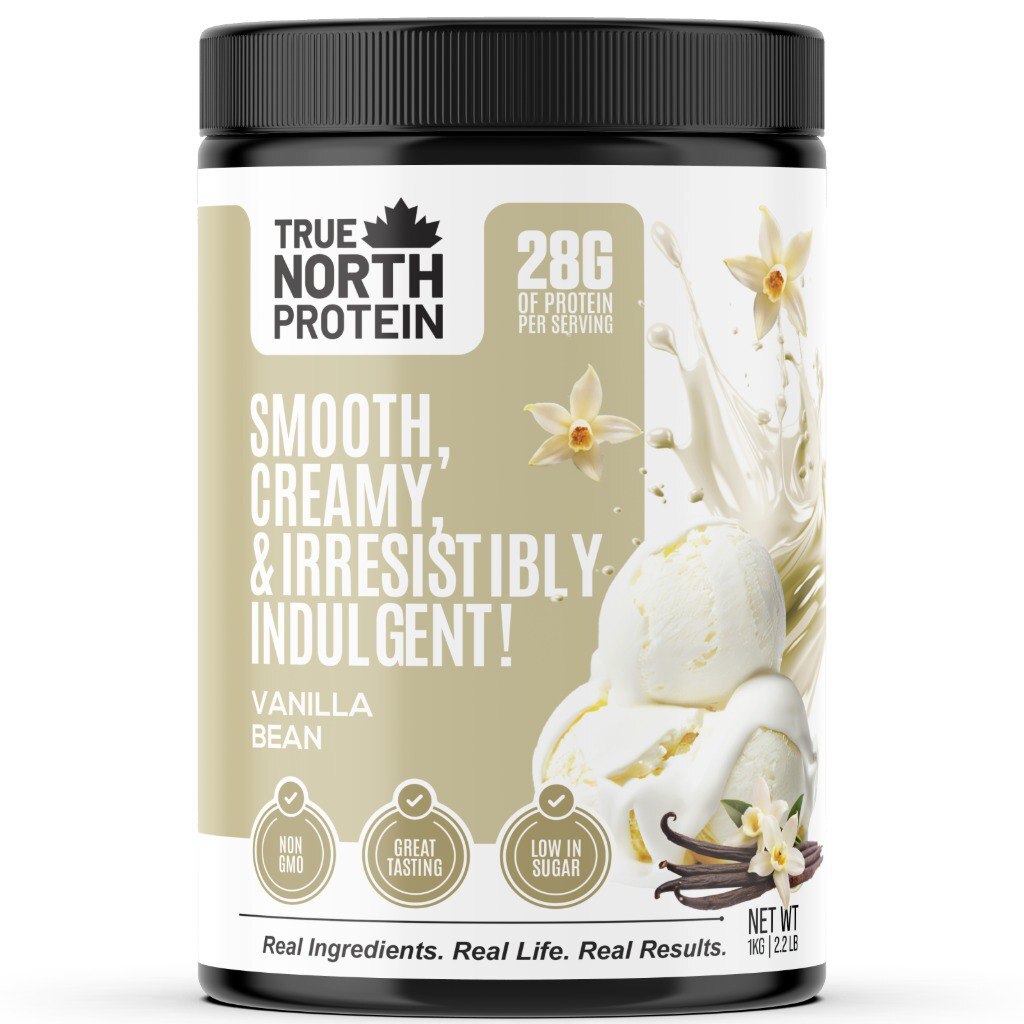
Vanilla Whey Protein Powder
Price range: $39.99 through $307.99
Shop Now
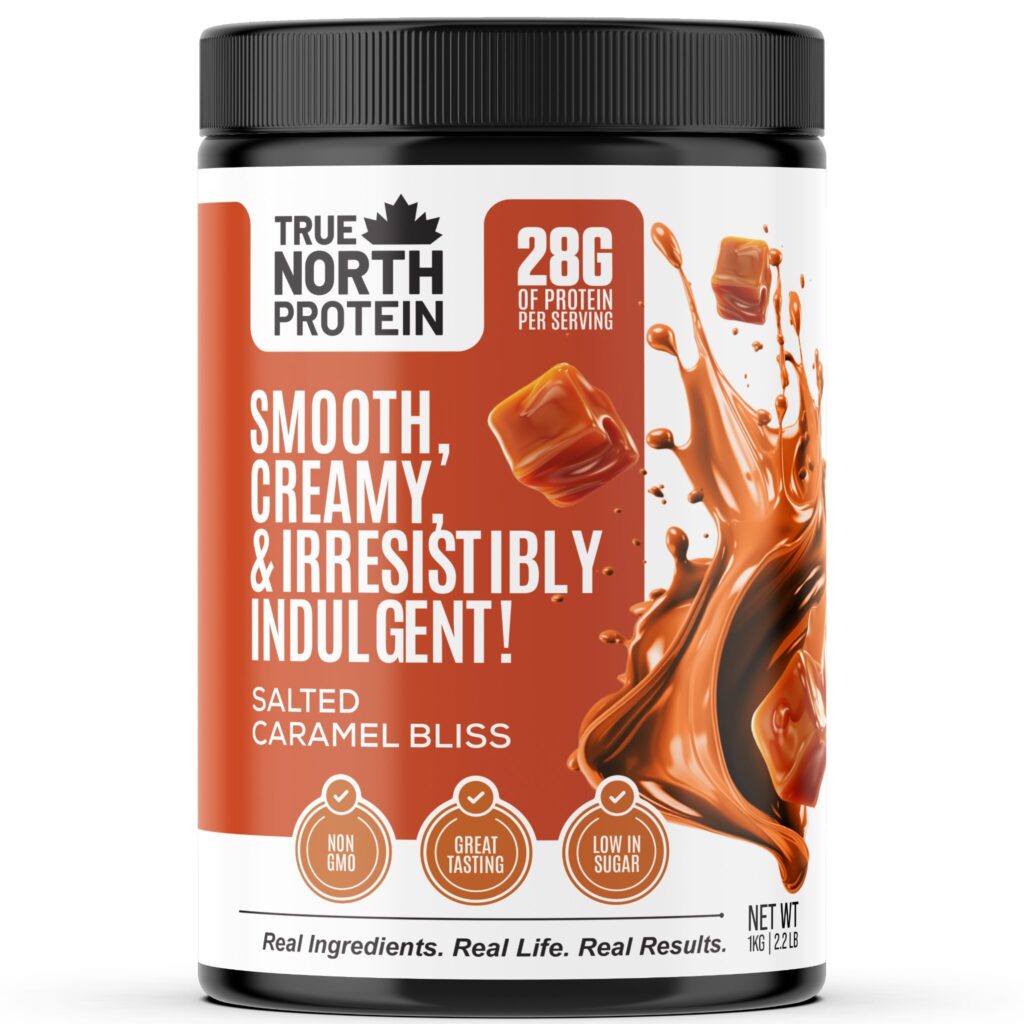
Salted Caramel Whey Protein Powder
Price range: $39.99 through $307.99
Shop Now
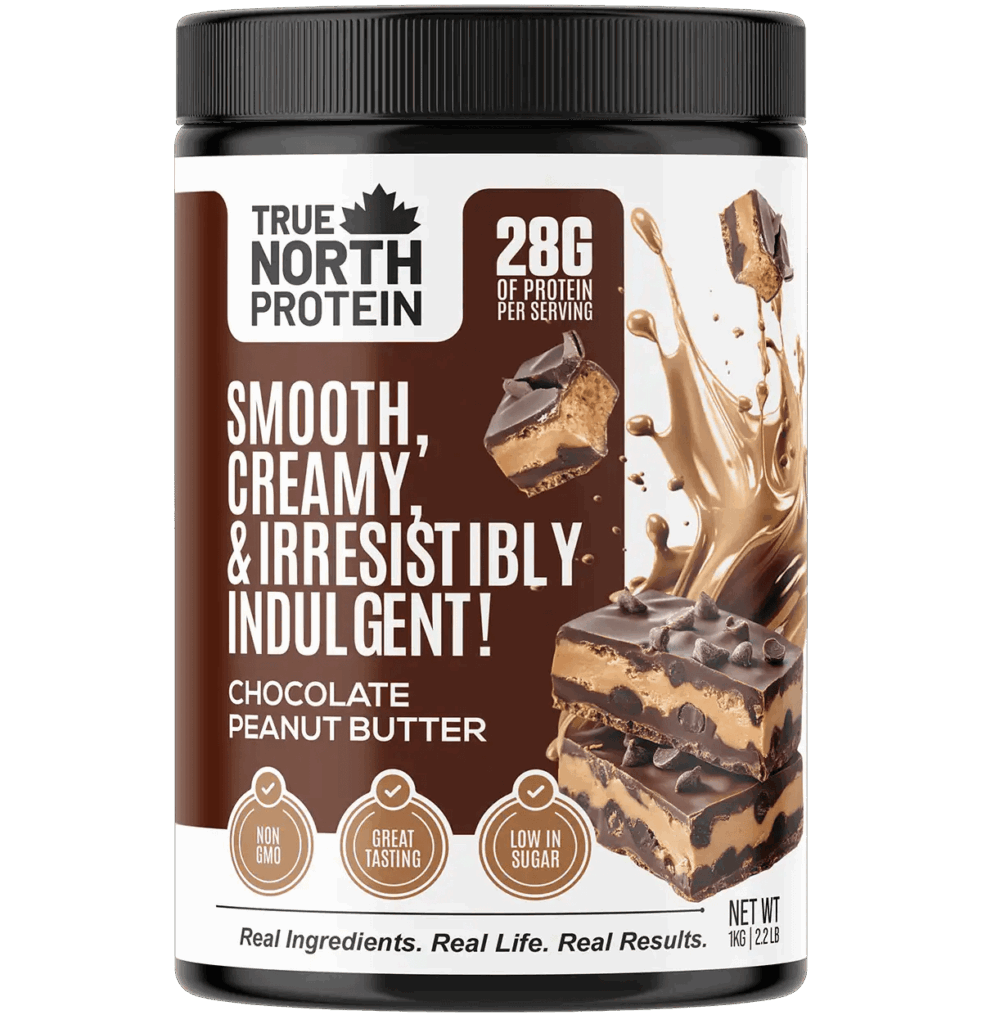
Chocolate Peanut Butter Whey Protein Powder
Price range: $39.99 through $307.99
Shop Now
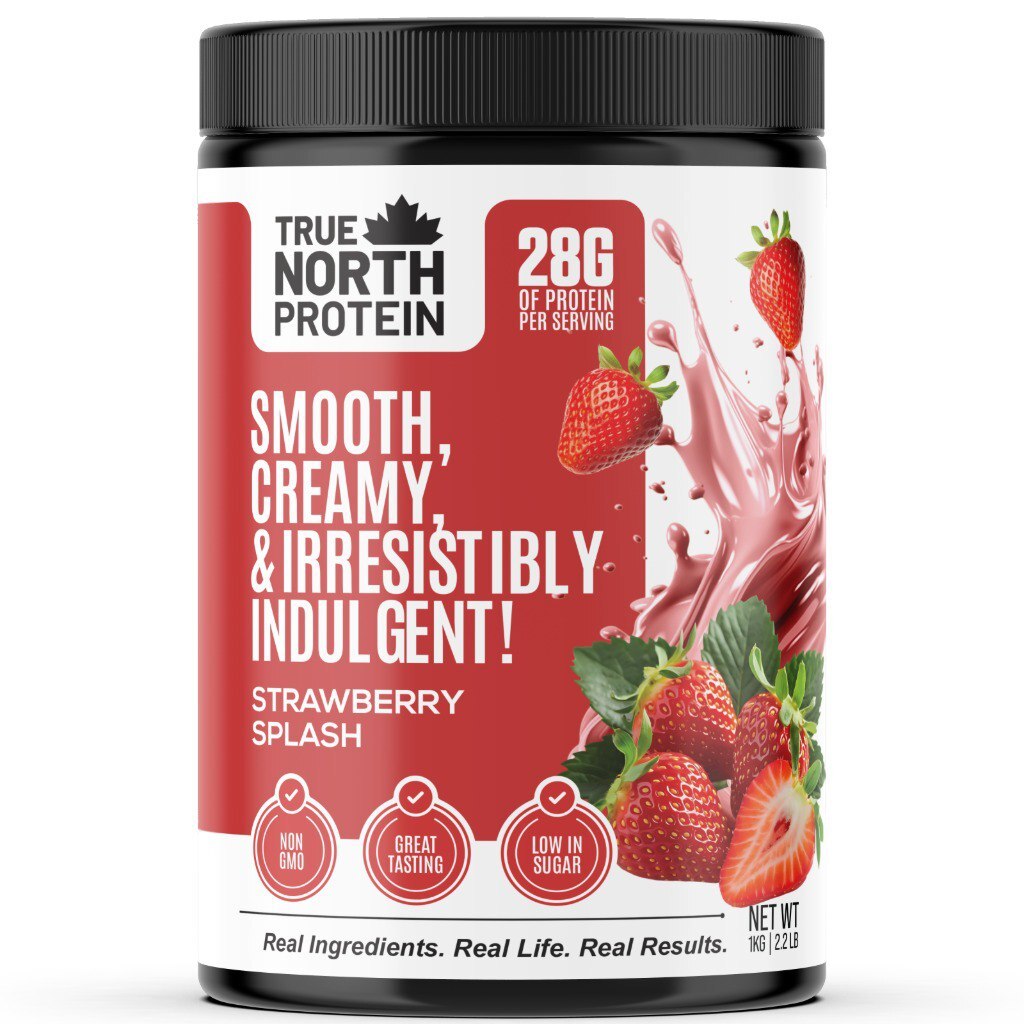
Strawberry Whey Protein Powder
Price range: $39.99 through $307.99
Shop Now
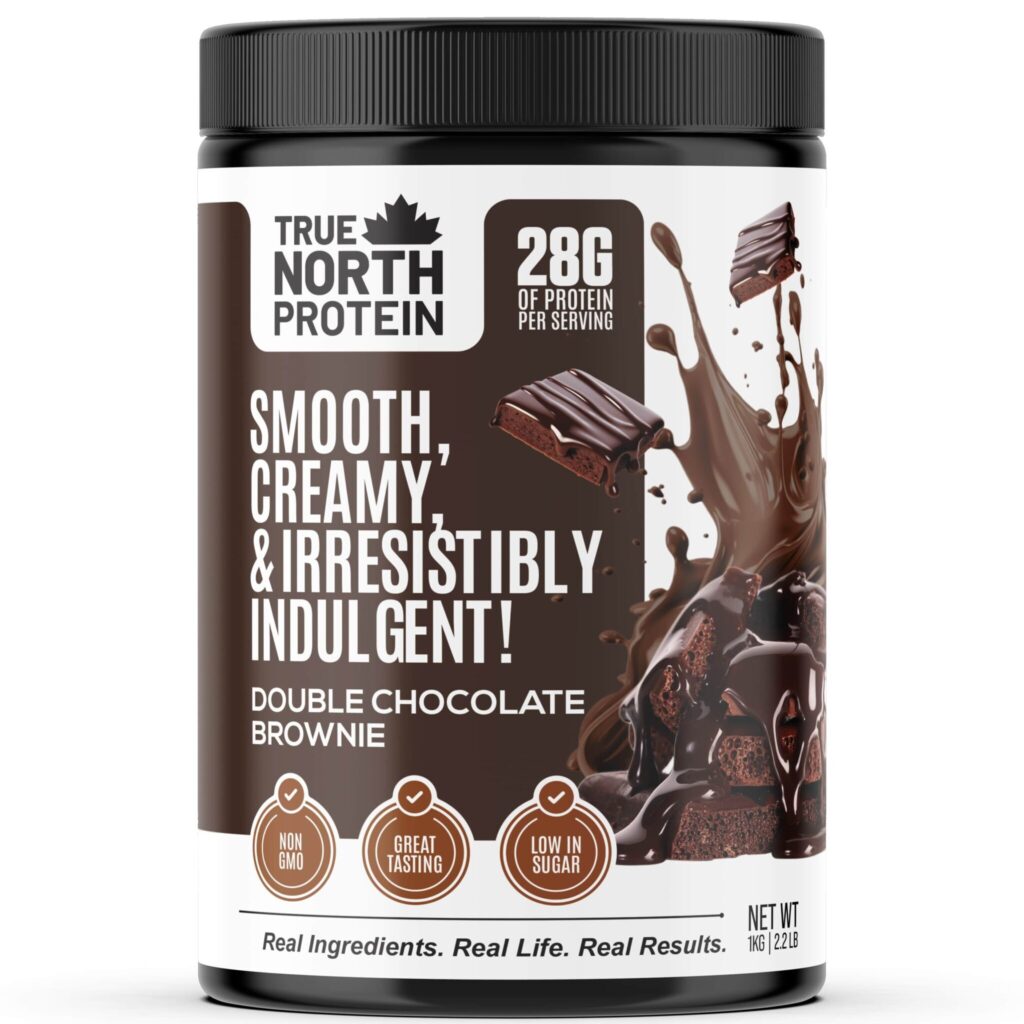
Double Chocolate Brownie Whey Protein Powder
Price range: $39.99 through $307.99
Shop Now
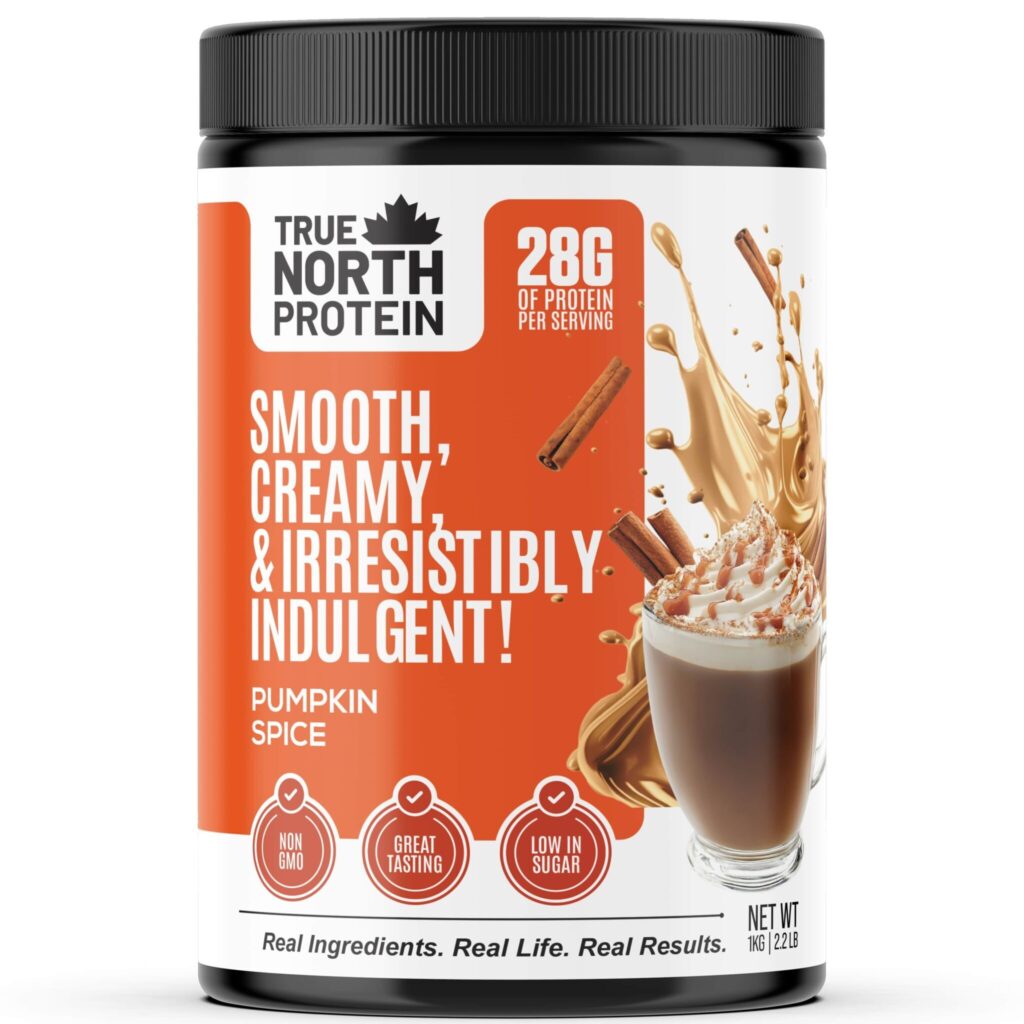
Pumpkin Spice Whey Protein Powder
Price range: $39.99 through $307.99
Shop Now
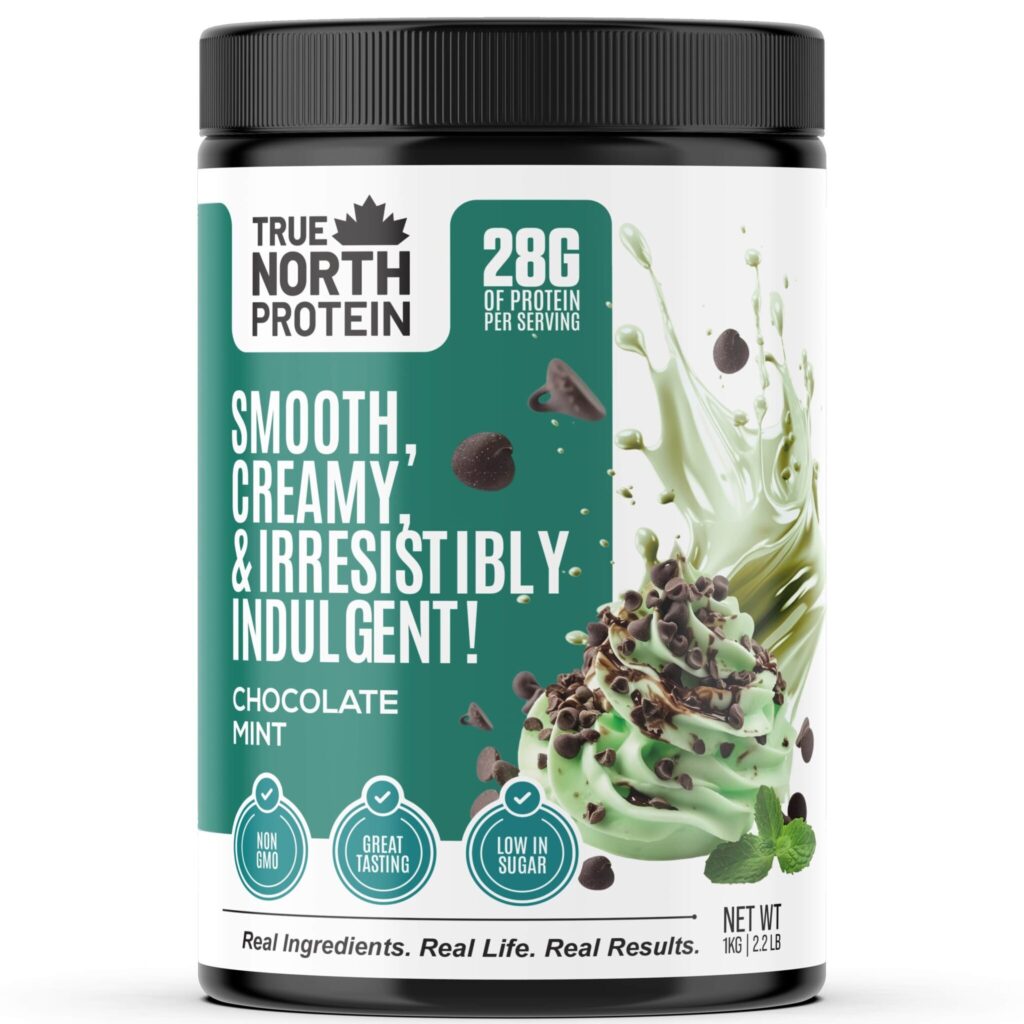
Chocolate Mint Whey Protein Powder
Price range: $39.99 through $307.99
Shop Now
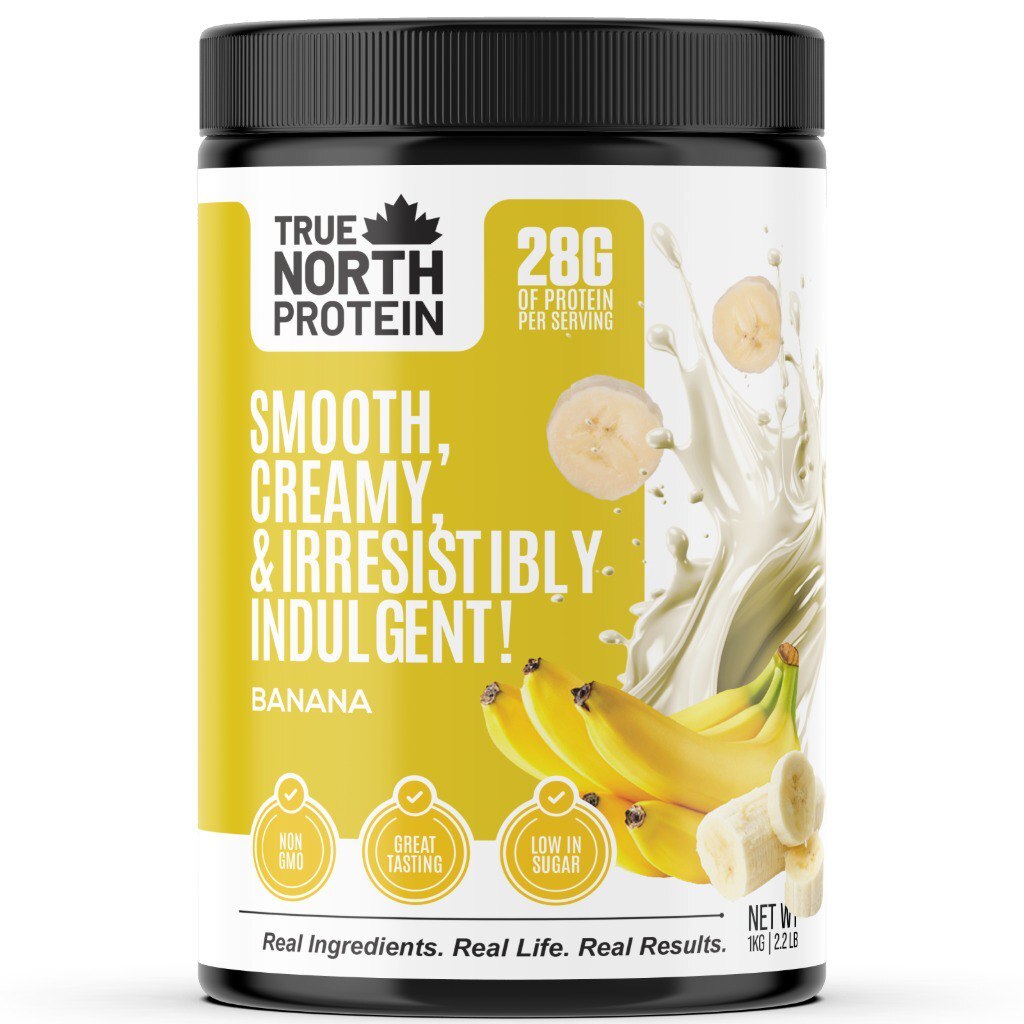
Banana Whey Protein Powder
Price range: $39.99 through $307.99
Shop Now
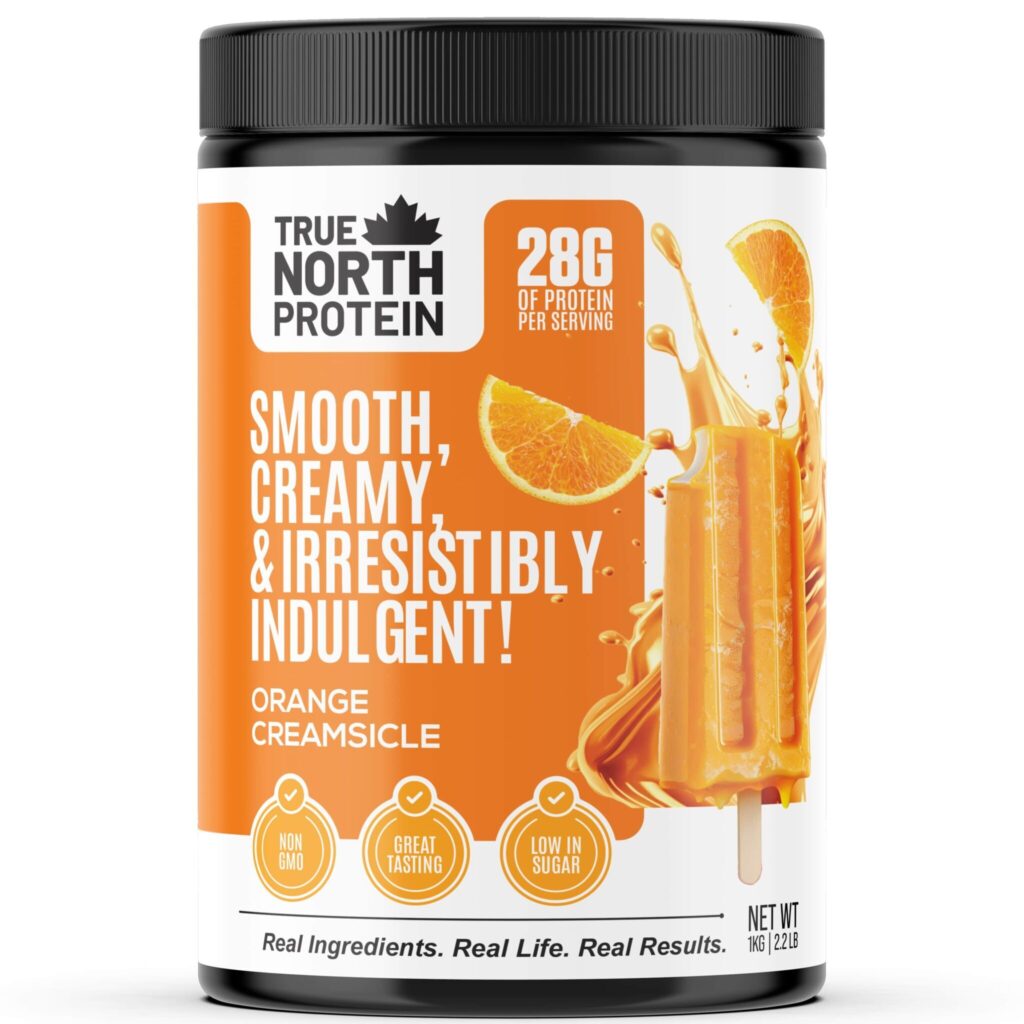
Orange Creamsicle Whey Protein Powder
Price range: $39.99 through $307.99
Shop Now
Grid ViewList View

What Is Whey Protein Concentrate?

Whey protein is a broad term that can be used to refer to both whey concentrate or isolate. However, “whey protein”, is the name used to refer to the concentrate form unless the word “isolate” is specifically mentioned.

Our whey protein concentrate contains 80% protein by weight, with the remaining 20% consisting of naturally occurring carbohydrates (mainly from lactose), fats, and minerals. Along with this, natural and/or artificial flavourings and sucralose (sugar-free sweetener) are blended with the concentrate.

Whey protein concentrate is the most widely used and produced form of milk-derived protein. It is a byproduct of cheese-making, where liquid whey is separated from milk during the production process, then filtered and dried into a powder form. The final result of this filtration and drying process is whey protein concentrate. Isolate is filtered further than concentrate to remove additional carbs, lactose, fats, and minerals, resulting in higher protein content by weight.

Protein assists the body in building and repairing tissues. It supplies essential amino acids that support muscle maintenance / growth and the production of enzymes and hormones critical for growth, energy regulation, and other key bodily functions. Adequate protein intake helps promote satiety (a feeling of fullness) and can serve as a secondary energy source when carbohydrates are limited. Sufficient protein intake also supports the repair and renewal of structural tissues, including skin, hair, and nails.

Concentrate vs. Isolate vs. Clear Protein

Whey protein is the umbrella term for milk-derived protein (made from liquid whey; a byproduct of cheese production). Different filtration methods of the liquid whey result in three distinct forms of whey protein.

  • Whey Concentrate

  • Whey protein concentrate is the result of the filtration of liquid whey, which is separated out during cheese-making. This liquid whey is filtered and then dried to produce whey concentrate powder. Concentrate typically contains 70–80% protein by weight. In the case of True North’s whey protein, our concentrate contains 80% protein by weight. The remaining 20% contains carbs, lactose, fats, and minerals. Concentrate is naturally creamier, thicker, and more filling than isolate and clear protein. It is also less costly to produce than isolate and clear protein.

  • Whey Isolate

  • Whey isolate is produced through additional filtration steps that remove more lactose, fat, and minerals than standard whey concentrate. This extra filtration results in higher protein content by weight (typically 10% more). Isolate is often preferred by those on specific dietary plans or those monitoring their calorie intake. Isolate typically contains trace amounts of lactose and less than concentrate, but it is never completely lactose free. It has a less creamy texture and is more costly to produce than concentrate.

  • Clear “Hydrolyzed”

  • Clear protein (also known as “hydrolyzed”) is a newer type of whey protein to hit the market. It is manufactured by breaking down isolate into smaller peptides and removing milk solids. Extra processing and filtration of clear protein results in a finished product that mixes like juice and stays translucent when mixed in water. It contains the same or similar amino acid profile as concentrate and isolate and is typically in the 85–90% range of protein by weight. Clear protein is not completely free of lactose but typically contains the least of the three. It is often preferred by those who prefer a juice-like texture over a milky one. Out of the three types, clear protein is the most expensive type of whey to produce.

Frequently Asked Questions

  • Whey protein concentrate is made from liquid whey that is separated during the cheese-making process. The liquid whey is processed, filtered, and dried to create whey concentrate.

  • Whey protein is made from dairy milk (cow’s milk). It is made from liquid whey which is a byproduct of cheese production. During cheese production, milk is curdled then strained to produce liquid whey. The liquid whey is then sent for further processing into whey powders (concentrate, isolate or clear protein).

  • Our whey protein concentrate in the base formula contains 80% protein by weight. The rest of the 20% contains carbs (mostly from lactose), fats, and naturally occurring minerals. Natural and/or artificial flavors and sucralose (sugar-free sweetener) are added to the base concentrate formula. Refer to the product label or specific product page for more information about the nutritional profile, ingredients, and allergen warnings related to the specific product.

  • Whey protein itself isn’t inherently “good” or “bad” — it’s simply a concentrated source of dairy-derived protein. For adults who struggle to meet their daily protein needs through food alone, it can be a convenient way to increase intake. Whole foods should remain the primary source of protein, but a whey protein supplement can be a practical addition if your diet falls short. As with any supplement, it works best when paired with a healthy diet, adequate hydration, and sleep. Always read the label before starting any protein supplementation routine.

  • Yes, whey protein concentrate, isolate, and clear protein all contain lactose, but in differing quantities. The amount of lactose depends on the level of filtration to produce the finished product. Concentrate contains the most lactose of the three forms of whey whereas, isolate contains trace amounts of lactose, and clear protein typically contains the least, but is not entirely free of it.

  • Our whey protein concentrate is manufactured without gluten-containing ingredients.

  • Our whey protein is manufactured without genetically modified ingredients.

  • Our whey concentrate is sweetened with sucralose, which is an artificial sweetener. The majority of our products are naturally flavoured, although a few have a blend of natural and artificial flavourings. Please refer to the specific product page and/or label for a more detailed breakdown of ingredients, sweeteners and flavourings used in each formula.

  • Yes, our protein is sugar-free and is sweetened with sucralose.

  • Yes, our whey protein powders typically have a shelf life of 18–24 months from the time of purchase. At True North, we ship fresh batches to help ensure optimal shelf life. Always check the product label for the expiry date and batch number specific to your bag or tub. Store your whey protein in an airtight container, away from moisture, humidity, heat, and direct sunlight. If stored improperly, the protein may lose freshness before its listed expiry date.